
By Amb. S. Yasir Abiola
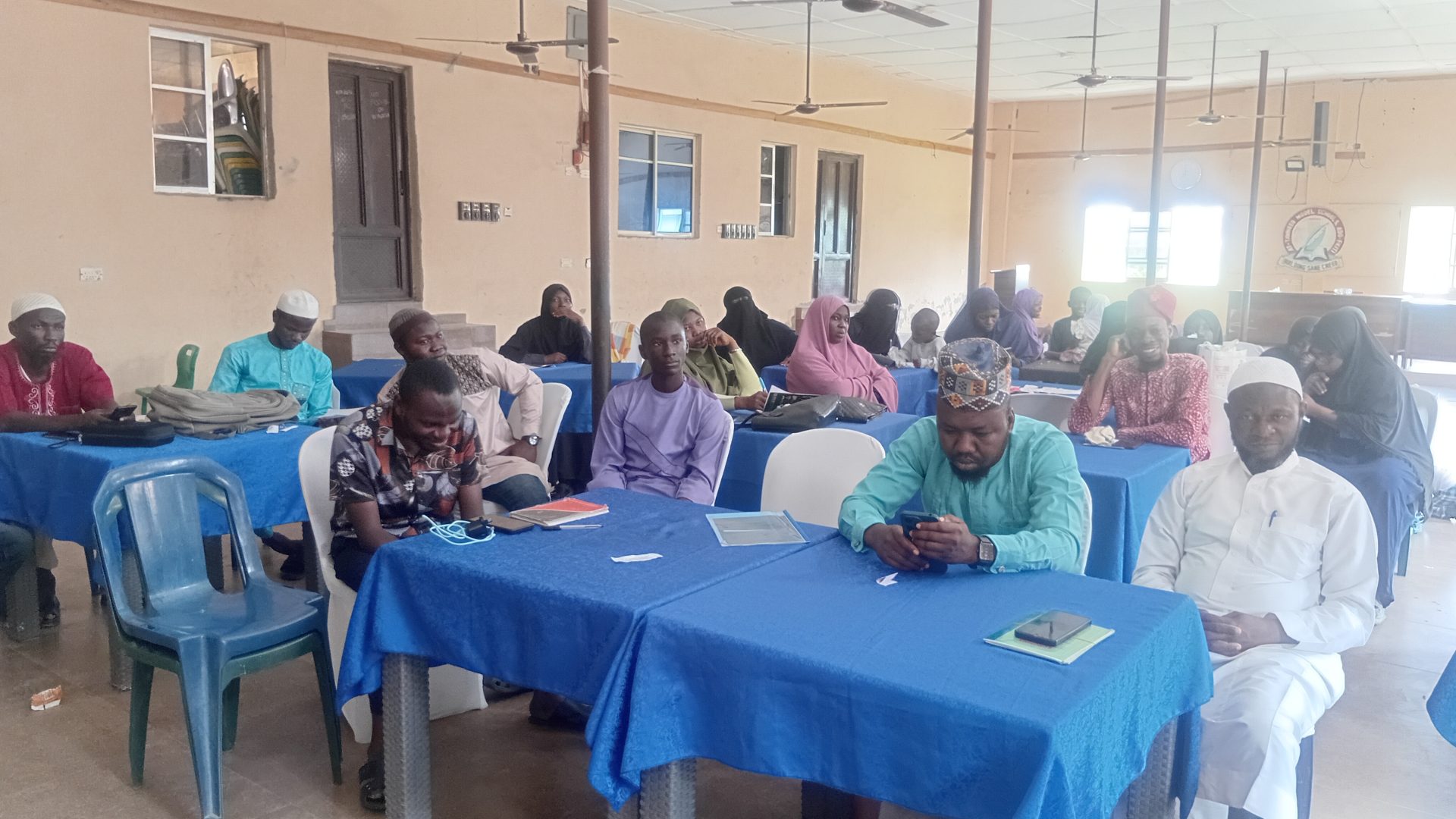
ADO-EKITI, EKITI STATE — The Muslim Students Society of Nigeria (MSSN), Ekiti Area Unit, has held a Training the Trainer seminar designed to equip participants with the knowledge and methodology required to respond effectively to challenging questions and misconceptions about Islam.
The seminar, organised in collaboration with the Dawah Institute, was held on Thursday, September 3, 2026, at At-Tawheed Model Schools, Ado-Ekiti. The programme commenced at 9:00 a.m. and ended at 12:45 p.m.
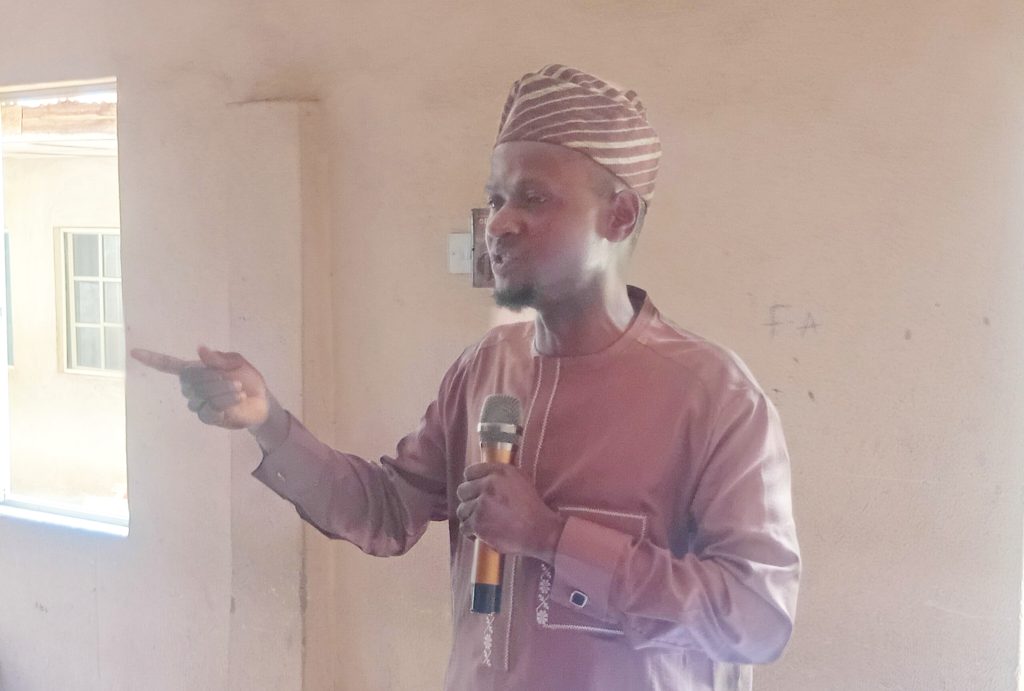
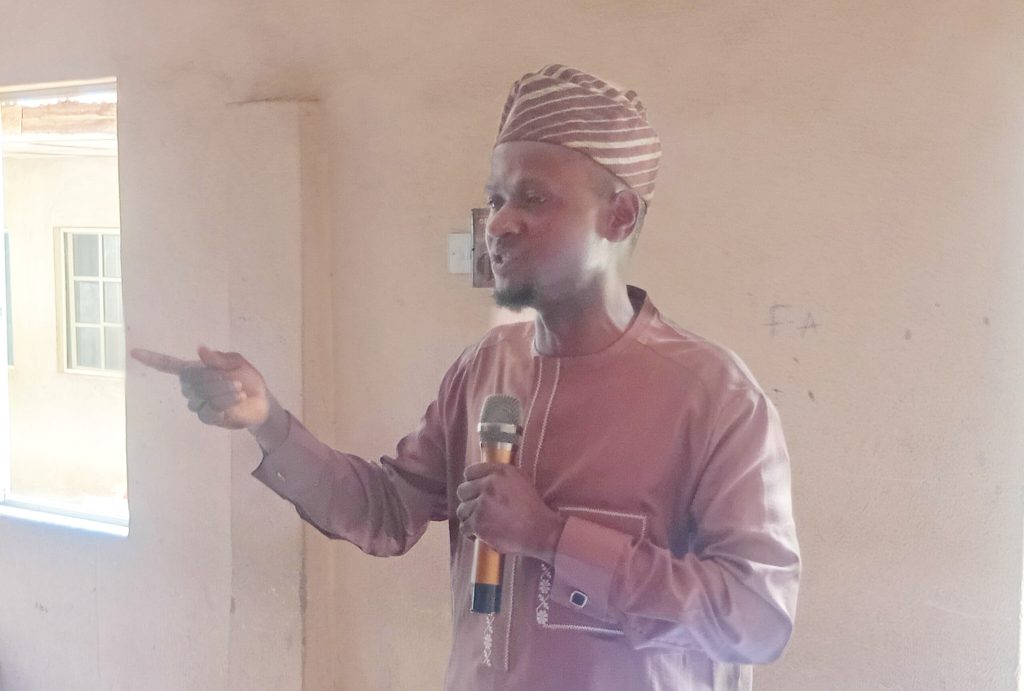
The training was facilitated by Mr. Oladimeji AbdulGhaffar Abiodun, who engaged participants on some of the challenging questions about Islam raised across different countries and communities.
A major focus of the seminar was the methodology of answering questions about Islam, with emphasis on logical reasoning, comparison and evidence-based responses.
The facilitator stressed that responding to difficult questions requires more than simply providing an answer. According to him, those involved in Da’wah must understand the question, identify the reasoning behind it and provide an appropriate response supported by sound evidence and logical explanation.
Addressing Misconceptions About Islam
The seminar identified several factors responsible for misconceptions about Islam, including cultural influence, the behaviour of some Muslims, deliberate misconceptions and faulty logic.
It was explained that people may sometimes develop perceptions of Islam based on the culture in which they were raised. Similarly, the misconduct of individual Muslims can sometimes be wrongly generalised to the entire religion.
The training also examined misconceptions that may be deliberately created and those resulting from faulty comparisons or reasoning.
One example discussed was the question of who is greater between Prophet Muhammad and Jesus based on their birth circumstances. The facilitator demonstrated how such reasoning could be examined through comparison with Prophet Adam, who, according to Islamic belief, had neither a father nor a mother.
Participants were therefore encouraged to develop a deeper understanding of Islam in order to distinguish between Islamic teachings, cultural practices and the actions of individual Muslims.
Why Do Pious People Suffer?
Among the questions discussed was: “If Allah is merciful, why does He allow pious people to suffer?”
The facilitator explained suffering within the Islamic concept of life as a test, likening it to an examination in which students are tested before progressing.
He noted that Allah’s mercy and justice should be understood within the broader framework of human responsibility, accountability and the ultimate destinations of Paradise and Hell.
Another question examined was: “Allah answers prayers, but He doesn’t answer mine.”
Using the example of a student who prays before an examination but still fails, participants were encouraged to understand that divine response does not necessarily mean granting every request exactly as it is made.
The training emphasised that Allah may prevent something from happening because He knows what human beings do not know and may have something better or more appropriate in store.
Questions on Ṣalāh, Purification and the Qur’an
The seminar also addressed questions concerning Islamic worship.
On why Muslim women are generally positioned behind men during congregational prayer, the training explained the arrangement in relation to the discipline and purpose of Ṣalāh, including concentration and orderly worship. It was also noted that arrangements may depend on the structure and circumstances of a mosque and that the matter should not be reduced to a simplistic claim of spiritual inferiority.
On purification, participants examined the question: “If ablution is about purification, why is dust used when water is unavailable?”
The facilitator explained that purification in Islam has both physical and spiritual dimensions, and that Islam provides alternative forms of purification, such as tayammum, when water is unavailable or cannot be used.
The reason the Qur’an was revealed in Arabic despite Islam being a universal religion was also discussed. The explanation highlighted the role of a common revealed language in preserving textual uniformity and expressing unity, while recognising the diversity of human languages.
Why Do Muslims Face the Kaaba?
Another question addressed was whether Muslims worship the Kaaba because they face it during prayer.
The seminar explained that facing the Kaaba represents unity of purpose and direction in worship, rather than worship of the structure itself.
Participants were also reminded that there are circumstances in which a Muslim may be unable to determine or face the direction of the Kaaba, particularly in certain situations involving travellers.
The question of why Muslims do not simply close their eyes while praying in order to achieve concentration was also examined.
The facilitator explained that concentration is not achieved merely by closing one’s eyes. Rather, it involves training the mind to remain focused, a discipline that can also influence a person’s wider social and everyday life.
Interactive Group Session
The programme featured an interactive session during which participants were divided into different groups to discuss controversial questions and develop appropriate approaches to answering them.
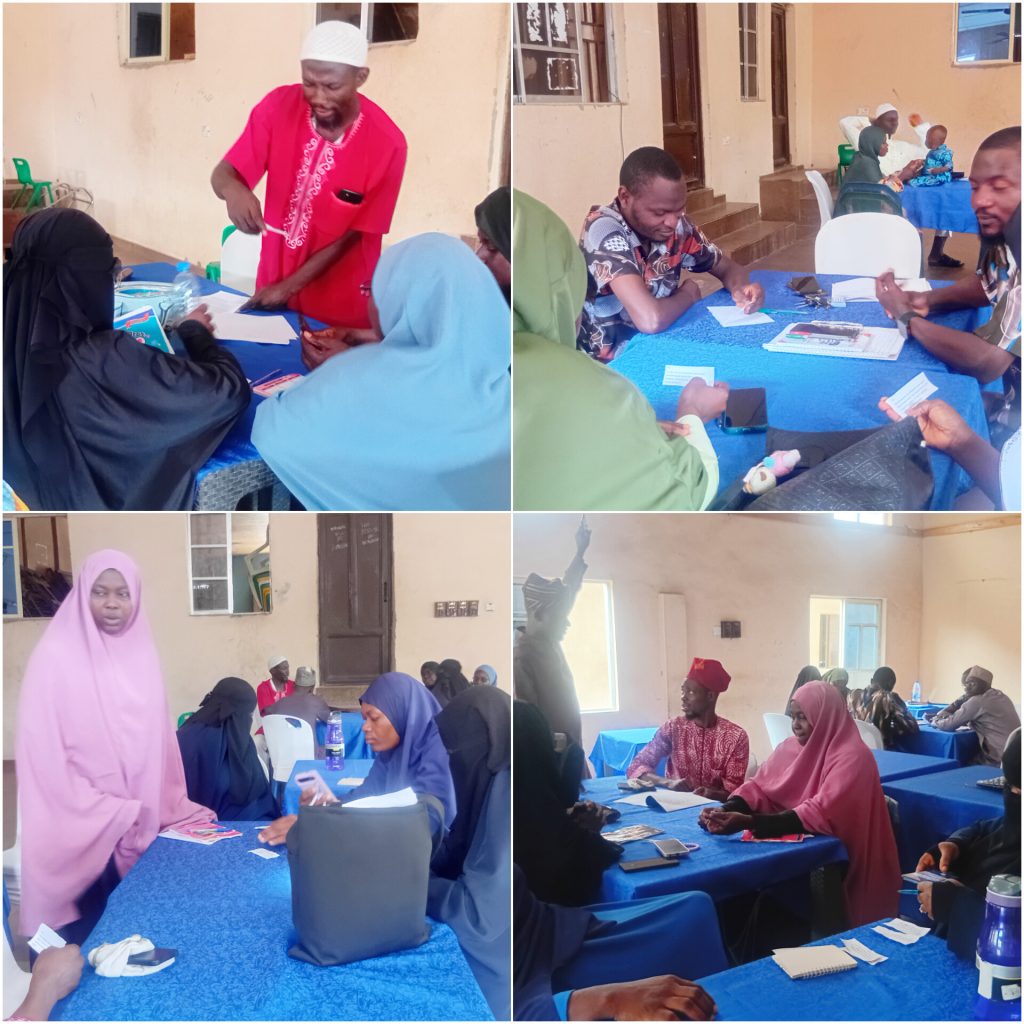
The session provided participants with an opportunity to apply the principles taught during the training, particularly in the areas of logical reasoning, evidence, comparison and effective communication.
Islamic Perspective on Family Responsibilities
The seminar also touched on misconceptions surrounding the responsibilities of husbands and wives within the home, particularly opinions expressed on social media.
Participants were taught that Islam assigns complementary responsibilities within the family based on the nature and roles of its members.
The husband was described as having the primary responsibility for providing for the household, in line with his position of leadership and responsibility, while a wife’s contribution to household expenses or other responsibilities remains permissible and commendable.
The discussion further emphasised that individuals within society are entrusted with different responsibilities, and that these responsibilities should be understood within their proper context rather than through isolated social media interpretations.
Knowledge as a Foundation for Da’wah
The Training the Trainer seminar ultimately underscored the importance of knowledge, evidence, sound reasoning and appropriate methodology in Da’wah.
Participants were encouraged not only to know what Islam teaches but also to understand how to communicate those teachings effectively, particularly when responding to difficult questions or misconceptions.
The programme provided an avenue for participants to engage with contemporary questions about Islam while developing the confidence and intellectual tools needed to address them constructively.
