
By Mature Minds Digital Radio & TV
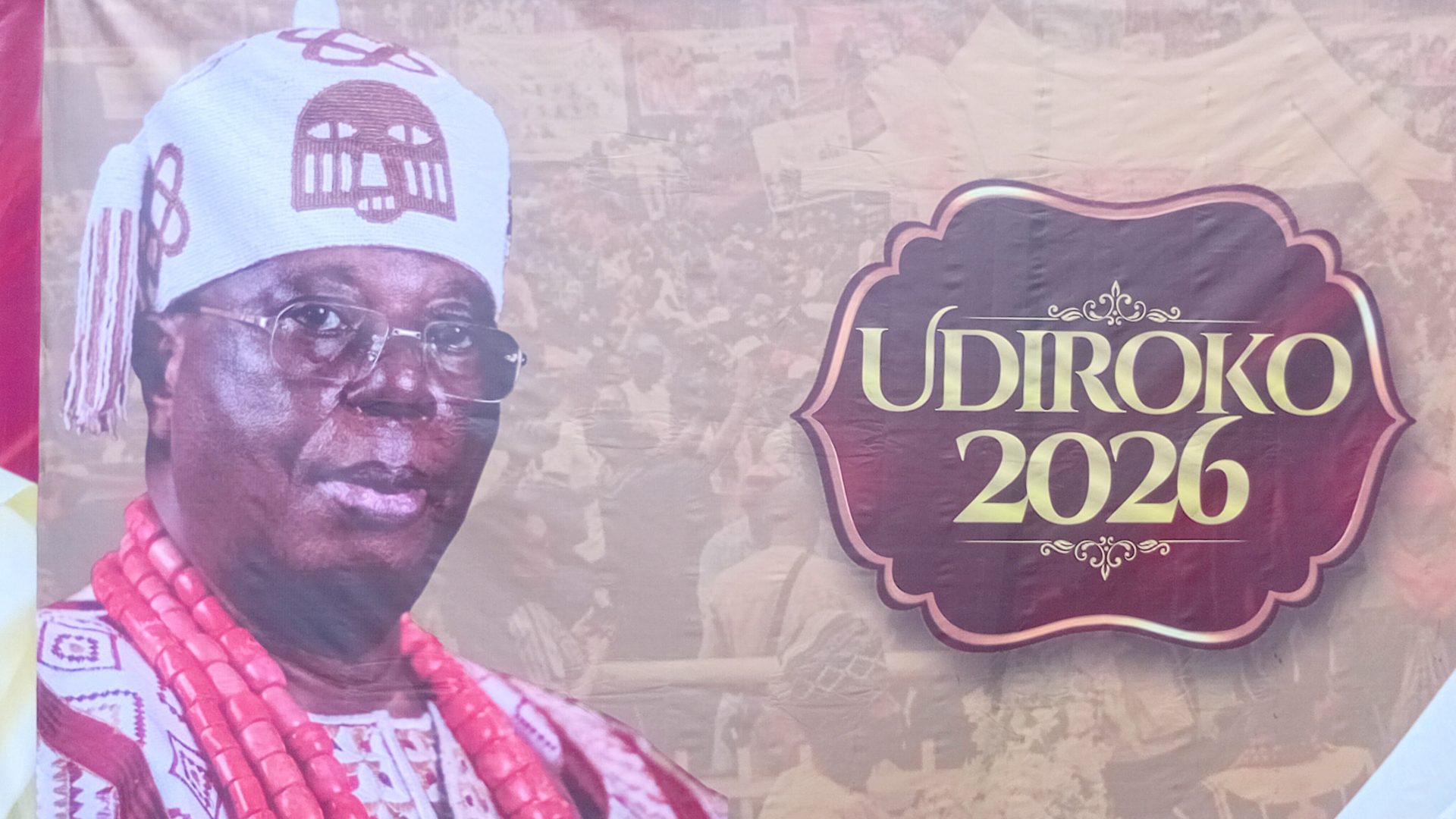
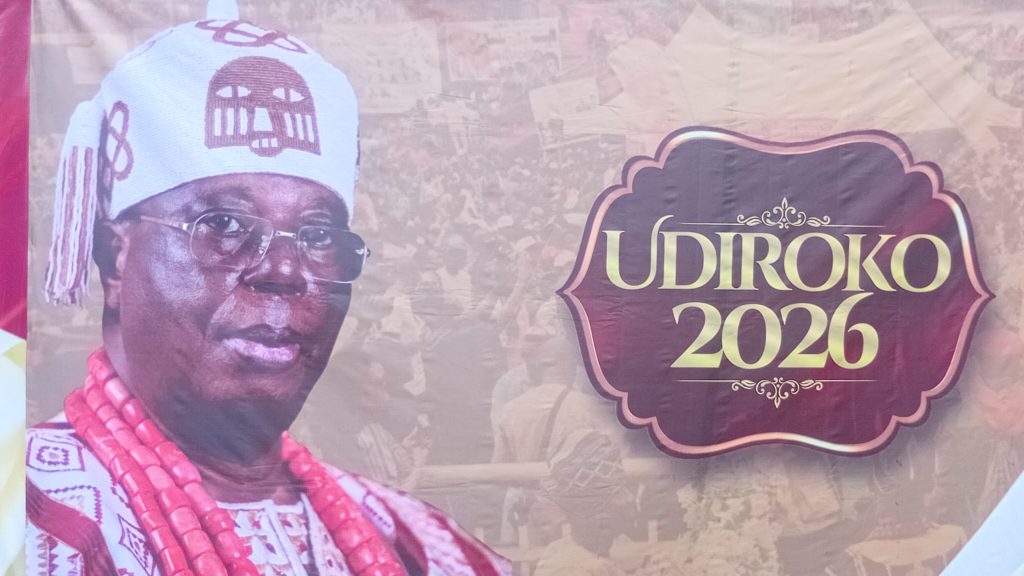
As Ado-Ekiti comes alive for the celebration of Udiroko Day 2026, the festival offers more than colourful traditional attire, music, dancing and royal ceremonies. Behind the celebration lies a rich history that connects the people of Ado-Ekiti with their traditional institution, ancestral heritage, spirituality and communal identity.
Udiroko is widely regarded as the traditional New Year celebration of Ado-Ekiti, carrying with it the memory of an era when the people gathered around their traditional institution to pray, give thanks and receive blessings for the year ahead.
FROM OLORUNBORUN TO UDIROKO
Historical accounts trace the roots of the celebration to an older Ado-Ekiti tradition known as Olorunborun. The occasion provided an opportunity for the people to offer prayers and praise, seeking divine favour and protection.
A significant part of the traditional observance involved members of the community gathering at the palace of the Ewi. The gathering under the Iroko tree, where people came together to receive the Ewi’s blessing, became associated with the expression “Odun Udi Iroko”—literally connecting the celebration with the Iroko tree. Over time, this evolved into the name Udiroko.
Today, Udiroko is recognised as the traditional New Year celebration of Ado-Ekiti.
MORE THAN A FESTIVAL
The historical significance of Udiroko goes beyond entertainment. Traditionally, it served as a major point of contact between the Ewi, the traditional institution and the wider Ado community.
The occasion brought together indigenes, traditional chiefs, military leaders, representatives of subordinate communities and returning members of the Ewi’s traditional army. It was an opportunity to acknowledge the achievements of the past year, present greetings and gifts, offer prayers and look ahead to the new year.
The Ewi’s appearance was itself an important part of the ceremony. Royal regalia, traditional crowns, palace protocols, music and ceremonial greetings all demonstrated the importance attached to the institution of the Ewi and the cultural heritage of the Ado people.
A CELEBRATION OF UNITY AND IDENTITY
Udiroko also provided a platform through which different sections of the community could come together. Traditional songs, dances, prayers and ceremonial exchanges helped strengthen relationships between the palace, chiefs and the people.
The festival therefore represents a bridge between the past and the present—a reminder that cultural identity is preserved not simply by remembering history, but by continuing to give meaning to it.
THE MORAL LESSONS OF UDIROKO
Embedded within the traditions surrounding Udiroko are also lessons about morality, leadership and communal responsibility.
Historical accounts of the celebration describe the Ewi’s concern about the manner in which gifts from the battlefield were handled, including the rejection of property associated with the killing of individuals. Such traditions demonstrate that the festival was not merely about displaying power or celebrating victories; it also provided an avenue for reinforcing acceptable standards of conduct.
The Ewi’s traditional New Year address further served as an opportunity to reflect on the year that had ended, communicate expectations for the year ahead and encourage peace, unity and responsible conduct.
UDIROKO IN THE MODERN ERA
While the form of Udiroko has evolved with time, its central message remains relevant.
In an era where cultural traditions face the pressure of modernisation and changing lifestyles, Udiroko provides Ado-Ekiti with an opportunity to reconnect with its roots, celebrate its heritage and pass its history from one generation to another.
For younger generations especially, the festival can serve as a living classroom—one where history is experienced through traditional institutions, language, music, attire, ceremonies, stories and communal participation.
As Udiroko Day 2026 is celebrated, the occasion therefore deserves to be viewed beyond the spectacle. It is a celebration of heritage, identity, continuity, community and hope for a new beginning.
For Ado-Ekiti, Udiroko is not simply another annual event on the cultural calendar. It is part of the story of a people—and a reminder that a community that understands where it came from is better positioned to determine where it is going.
Udiroko is history remembered, culture preserved and identity celebrated.
Reporting and Cultural Feature by Mature Minds Digital Radio & TV — Inspiring Minds, Connecting Communities.
