
August 4, 2026 7:05am
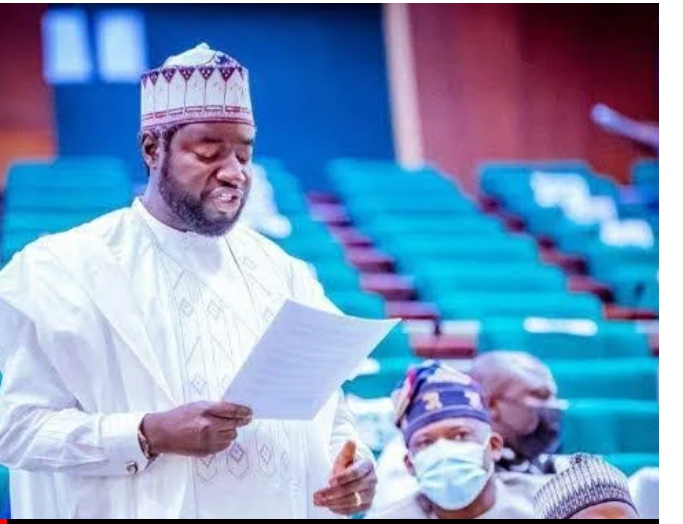
The House of Representatives ad hoc committee probing the controversial Presidential Foreign Investment Promotion Council is set to submit its final report in the coming weeks, but the chairman, Rep. Yusuf Gagdi, is facing fresh criticism over how the investigation was handled.
A lawmaker faulted the decision to make Gagdi chairman, arguing it was improper since he was the one who moved the motion for the probe. “This is not our rule, but it’s not convention. The Speaker missed it,” the lawmaker said anonymously.The panel has also been accused of conducting a biased probe.
Critics say it failed to invite Chief of Staff Femi Gbajabiamila, who was named by the self-styled DG of PFIPC, Adeyemi Adeniyi, as the person who collected N400m through a late intermediary, Dolapo Tanimola. The committee also questioned differences in Gbajabiamila’s signatures, which critics dismissed as common among top officials.
Civil society group CISLACsaid the investigation lacked depth and independence. It urged the panel to: 1. Question Gbajabiamila under oath2. Get a full police report on Tanimola’s death — he allegedly died in a fire at a hotel in Abuja after the N400m exchange 3. Trace the N400m through bank records 4. Conduct a forensic audit of all accounts linked to PFIPCCISLAC warned against closing the probe just to meet a deadline, saying focusing only on whether Adeyemi’s appointment letter was forged “cannot explain how the council got access across government.”Other voices, including analyst Jackson Ojo, said it was wrong to conclude without hearing from all key players. Adeyemi’s lawyer has also dared the committee to invite his client for a fair hearing.
For 3 weeks, the 12-member panel questioned top officials including the Head of Service, CBN, Budget Office and police representatives. But Gbajabiamila was never invited.The EFCC also denied allegations that it allocated property to PFIPC and demanded N300m, saying all forfeited assets go to government agencies only on Presidency directives and payments go to CBN.
The controversy highlights wider concerns about integrity in public institutions, budgeting, and presidential bureaucracy.
