
Ado-Ekiti — Parents have been urged to take greater responsibility for their children’s development during the long vacation, as education stakeholders continue to stress the importance of maintaining learning, discipline and purposeful routines outside the classroom.
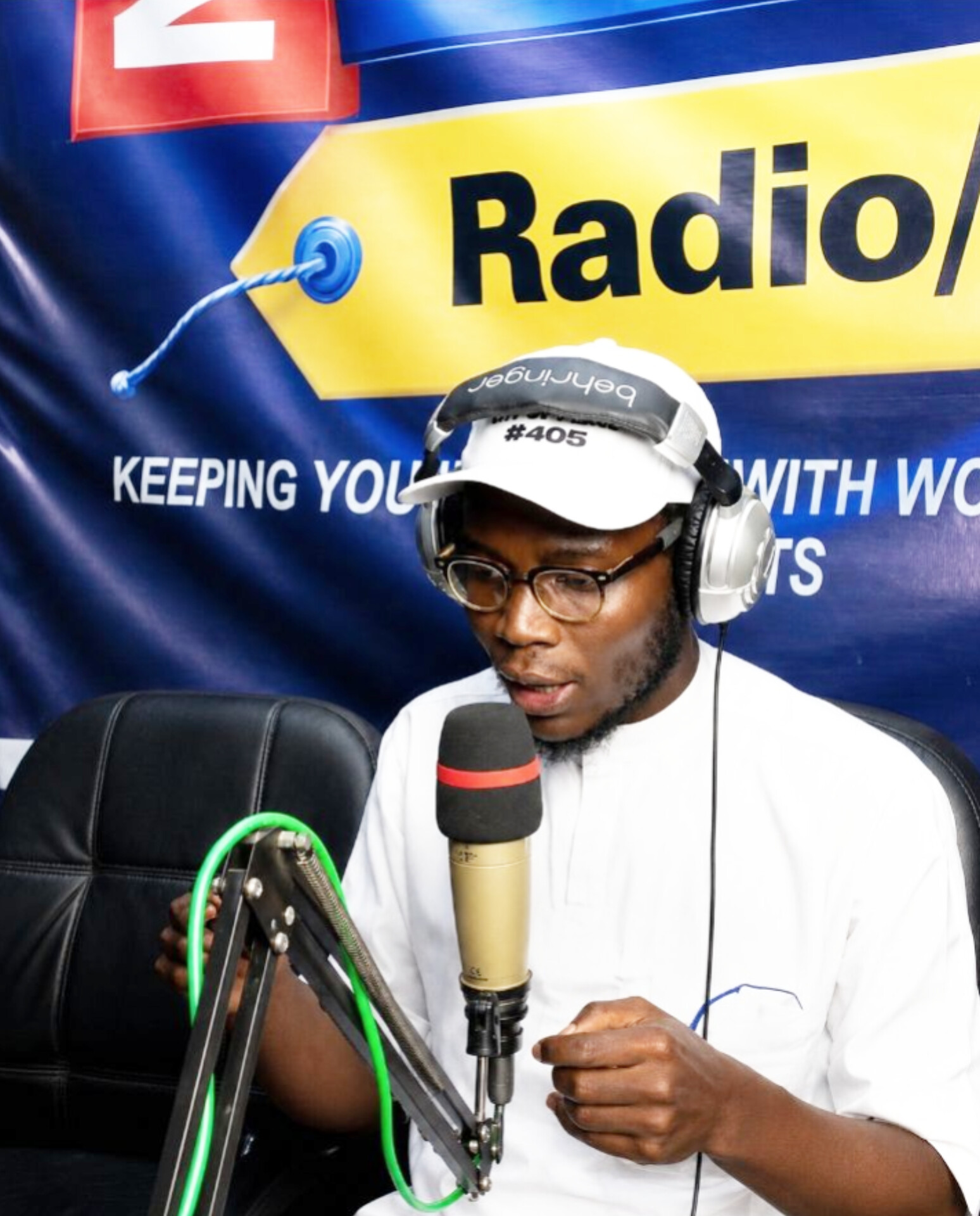
The call was made during the second edition of the BACK-TO-SCHOOL HOLIDAY SPECIAL on Mature Minds Digital Radio & TV, with the theme “The Parent’s Holiday Responsibility: Raising Responsible Learners.” The programme is part of the station’s broader series, “Building Smarter, Safer, and More Purposeful Learners.”
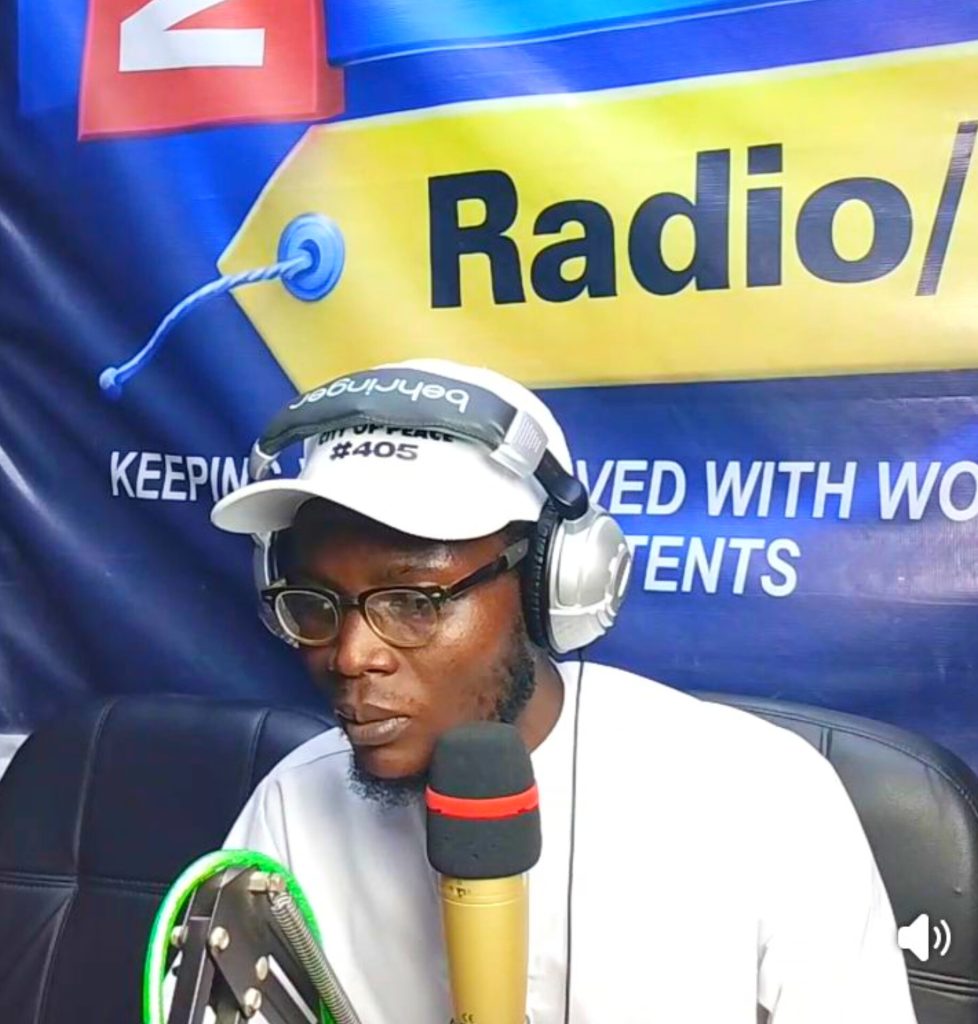
Speaking on the programme, Ambassador Yasir Abiola emphasised that the closure of schools should not mean the suspension of parental responsibility, describing the holiday as an important period for parents to observe and positively influence their children’s habits, friendships, reading culture, technology use, talents and emotional wellbeing.
He noted that while children require rest and recreation during the holiday, a lack of structure could result in excessive gadget use, poor time management, weakened academic habits and unhealthy routines.
According to him, parents should establish simple routines that balance rest, reading, recreation, skill acquisition, household responsibilities, moral development, family interaction, appropriate screen time and adequate sleep.
Abiola also drew attention to the growing influence of smartphones and digital platforms on young learners, urging parents to look beyond the amount of time children spend on devices and focus on what they are doing with the technology.
He explained that while digital devices can support learning and skill development, excessive and purposeless consumption can negatively affect a child’s productivity and discipline.
The presenter further encouraged parents to involve children in appropriate household responsibilities, stressing that chores can help young people develop responsibility, independence, cooperation, time management and respect for work.
He also urged parents to use the holiday as an opportunity to have meaningful conversations with their children, rather than focusing exclusively on academic performance.
According to him, parents should make time to understand their children’s concerns, friendships, fears, aspirations and emotional needs.
Parents Urged to Lead by Example
Abiola stressed the importance of parental role modelling, noting that children learn not only from what parents tell them but also from what they consistently observe.
He said parents who demand discipline, honesty, respect and responsible technology use from their children must be prepared to demonstrate those same values in their own conduct.
He described the parent as “the child’s first textbook,” emphasising that parental behaviour can leave a deeper and more lasting impression than verbal instructions.
Parents were also advised against comparing their children with siblings, classmates, neighbours or relatives. Instead, they were encouraged to help children measure their progress against their own previous performance.
Family Growth Challenge Introduced
As part of the programme, a “7-Day Family Growth Challenge” was introduced to encourage parents and children to intentionally invest in personal and family development during the holiday.
The challenge encourages parents to spend meaningful time with their children each day, while students dedicate time to reading or revision. Families are also encouraged to learn something new together, participate in household responsibilities and reduce unnecessary screen time.
Abiola also proposed a “Holiday Growth Contract”, where parents and children can jointly establish an academic goal, complete a book, learn a practical skill, undertake a consistent household responsibility and develop a positive character trait.
He stressed, however, that raising responsible learners should not be regarded as the responsibility of parents alone.
According to him, students, teachers, schools, government, community leaders and the media all have roles to play in creating safe, constructive and development-oriented environments for children and young people during the holiday.
Addressing students, Abiola encouraged them to see reasonable parental supervision and discipline as preparation for adulthood rather than unnecessary restrictions.
He noted that children would eventually have to make independent decisions without parents constantly reminding them what to do, making the development of self-discipline an essential part of their growth.
The programme concluded with a reflective question for parents:
“If someone followed your child for one week during this holiday, would they see a child being entertained—or a child being prepared for life?”
The programme emphasised that the holiday should not merely be a period of waiting for school to resume, but an opportunity for children to rest, learn, develop skills, build character and prepare for life beyond the classroom.
The BACK-TO-SCHOOL HOLIDAY SPECIAL continues next week on Mature Minds Digital Radio & TV under the series theme, “Building Smarter, Safer, and More Purposeful Learners.”
